Product Description
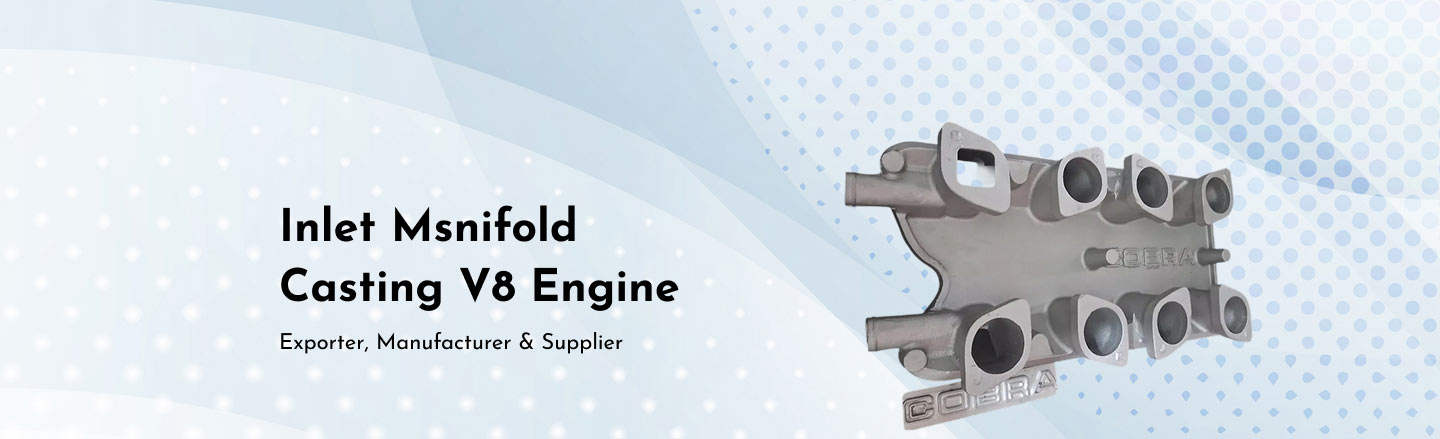
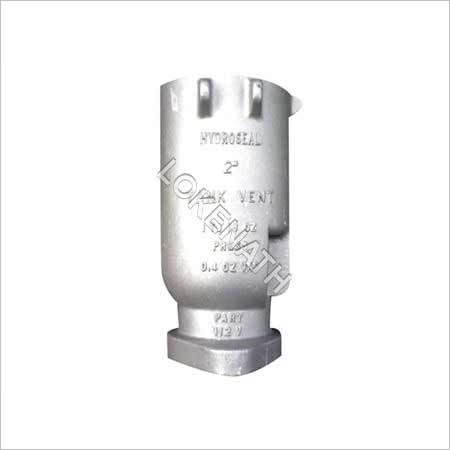
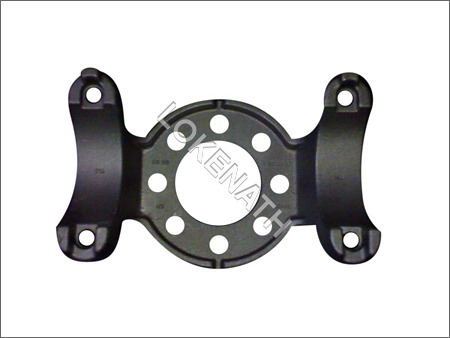
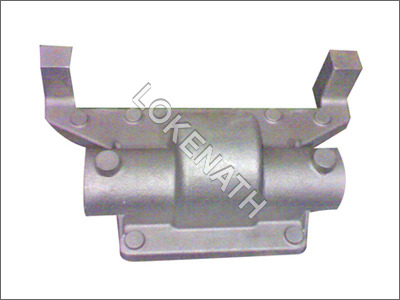
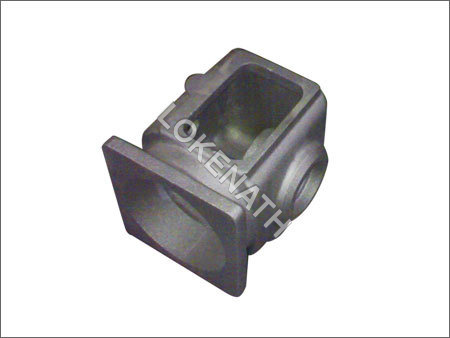
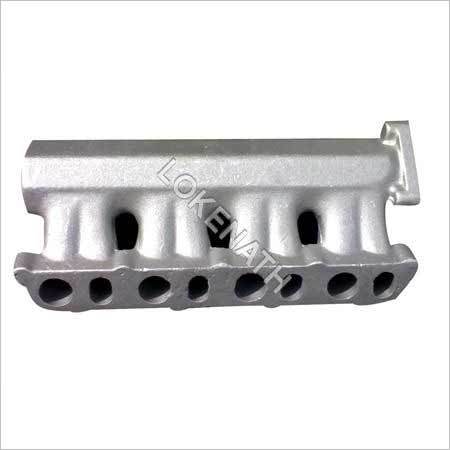
Leveraging on our years of market know-how and understanding, we are proficient to manufacture, supply and export a quality approved range of Metallic Pattern Aluminum Castings to our valuable patrons. Designed and developed by using world class Aluminium, these castings are precisely checked by our quality controllers on various quality parameters to ensure their flawlessness. Widely used in various automobile industries for different applications, this Metallic Pattern Aluminum Castings is available at affordable prices.
Features
- Improves quality of conduction
- Compact and light weight
- Anti-corrosive
Aluminum casting is a manufacturing process where molten aluminum is poured into a mold to create parts with desired shapes. It's a versatile method for producing a wide range of components, especially those requiring complex geometries, good surface finish, and high strength-to-weight ratio.
Here's a more detailed breakdown:
-
Melting and Pouring:
Aluminum ingots are melted to a liquid state and then poured, injected, or forced into a mold cavity.
-
Mold Types:
Molds can be made from various materials like sand, metal (die casting), or ceramic (investment casting), each offering different advantages.
-
Solidification:
As the molten aluminum cools and solidifies within the mold, it takes on the mold's shape.
-
Post-Processing:
Depending on the application and casting method, parts may require further machining, surface treatment, or other finishing processes.
-
Complex Shapes:
Aluminum casting allows for the creation of intricate and detailed parts that might be difficult or impossible to produce with other methods, according to JC Casting.
-
Lightweight:
Aluminum's low density contributes to the lightness of cast parts, making them suitable for applications where weight is a critical factor, such as in the aerospace and automotive industries.
-
Strength-to-Weight Ratio:
Aluminum castings offer a good balance between strength and weight, making them ideal for structural components.
-
Corrosion Resistance:
Aluminum naturally forms a protective oxide layer that provides corrosion resistance, and this is enhanced in some casting processes, says Dynacast.
-
Good Thermal and Electrical Conductivity:
Aluminum is known for its ability to conduct heat and electricity, making it useful in applications requiring thermal management or electrical conductivity.
-
Cost-Effective:
Aluminum casting can be a cost-effective manufacturing process, especially for large production volumes.
- Automotive: Engine blocks, transmission housings, wheels, and various other parts.
- Aerospace: Aircraft components, engine parts, and structural elements.
- Electronics: Housings, heat sinks, and other components.
- General Engineering: A wide range of parts for machinery, tools, and equipment.
Types of Aluminum Casting:
-
Molten aluminum is poured into a sand mold, suitable for a wide range of sizes and shapes, says YouTube.
-
Molten aluminum is injected into a steel mold under high pressure, resulting in high precision and surface finish.
-
A wax pattern is used to create a ceramic mold, offering excellent detail and complex shapes, says PHB Inc..
-
Molten aluminum is forced into the mold by gas pressure, suitable for thin-walled components with good strength.
Precision and Durability in Every CastingLeveraging advanced die casting technology, our aluminum castings ensure uniformity and resilience. The pressure die casting process imparts excellent dimensional accuracy and superior surface finish, making these components ideal for demanding industrial environments. The polished surface not only enhances aesthetics but also boosts corrosion resistance, ensuring long-lasting functionality.
Versatile Applications Across IndustriesOur polished aluminum castings are engineered for use in a diverse array of sectors, including automobiles, heavy machinery, and electrical systems. Their robust build and precise design make them suitable for both structural and operational components, providing reliable performance wherever they are employed.
FAQ's of Aluminum Castings:
Q: How are your aluminum castings manufactured using the Pressure Die Casting process?
A: Our aluminum castings are produced through the Pressure Die Casting method, where molten aluminum is injected into a steel die under high pressure. This results in components with fine detail, tight tolerances, and consistent surface finishes, all enhanced by subsequent polishing.
Q: What are the main benefits of using polished aluminum castings in industrial applications?
A: Polished aluminum castings offer improved corrosion resistance, enhanced aesthetics, and seamless integration into machinery. Their lightweight nature combined with high strength contributes to energy efficiency and reliable performance in automobiles, electrical equipment, and machines.
Q: When should I choose pressure die cast aluminum over other casting methods?
A: Pressure die casting is recommended when you need precise, complex, and high-volume parts with excellent surface finish and dimensional consistency, especially within the 0.5 to 10 kg weight range.
Q: Where can these aluminum castings be utilized?
A: These castings are suited for a variety of sectors including the automobile, machinery, and electrical industries, where durable, lightweight, and precision-engineered components are essential.
Q: What quality surface treatments are used on your aluminum castings?
A: Our products undergo a meticulous polishing process that gives each casting a sleek silver grey finish while enhancing corrosion resistance and visual appeal.
Q: How can using Indian-manufactured aluminum castings benefit my supply chain?
A: Sourcing from our Indian manufacturing facilities ensures cost-effective pricing, timely delivery, and access to tailored engineering expertise, supporting smoother procurement for global clients.





 Send Inquiry