Product Description
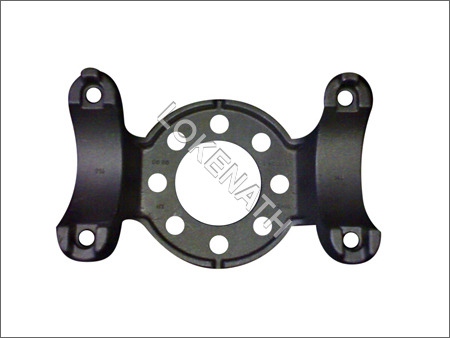
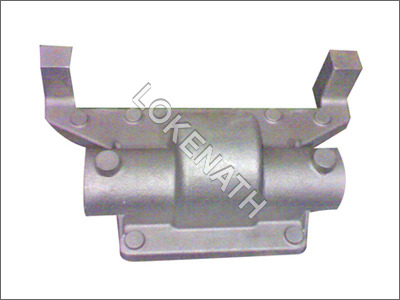
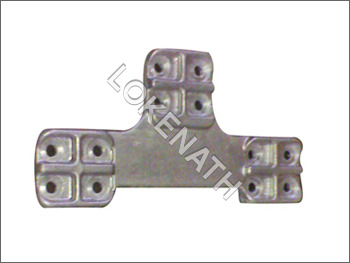
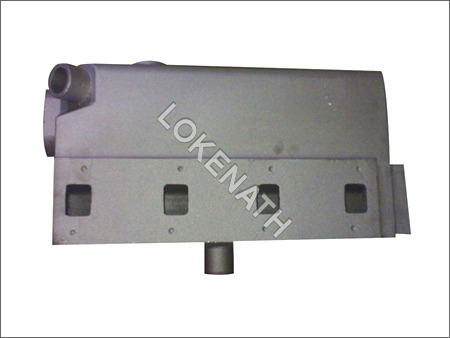
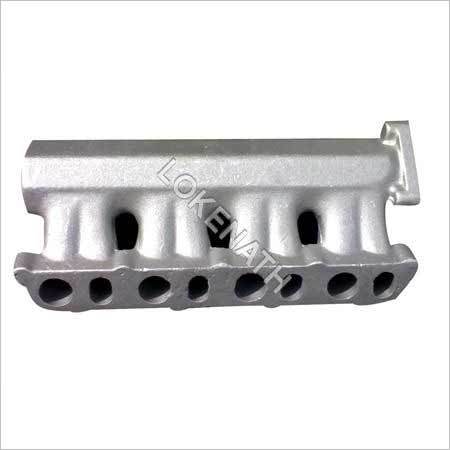
Power transmission aluminum sand casting is the process of creating large, complex, and cost-effective aluminum components for the power transmission industry using the sand casting method. This technique involves pouring molten aluminum into a mold made of compacted sand, which is created from a reusable pattern. The molten metal fills the mold's cavity, solidifies, and is then extracted after the sand mold is broken away, resulting in durable, lightweight, and corrosion-resistant parts like gearbox housings, transmission components, and industrial machinery parts.
The Sand Casting Process for Power Transmission Components
-
1. Pattern Creation:
A reusable pattern, a precise replica of the final part, is made from wood, metal, or other durable materials.
-
2. Mold Making:
The pattern is placed in a flask, and the mold is created by compacting a specialized sand mixture around it. This sand is typically reinforced with binders like clay or resin.
-
3. Gating System:
A sprue, runners, and risers are incorporated into the mold design to guide the molten aluminum into the cavity and manage metal flow, preventing defects.
-
4. Melting and Pouring:
Aluminum alloys are melted in a furnace to their liquid state and then poured into the sand mold's cavity.
-
5. Solidification:
The molten aluminum cools and solidifies within the mold.
-
6. Extraction and Finishing:
Once solid, the sand mold is broken apart, and the aluminum casting is removed. The casting is then cleaned, rough edges are removed, and it may undergo further machining or finishing to meet specifications.
Key Characteristics for Power Transmission
-
Cost-Effectiveness:
Sand casting is an economical process, especially for large components and both low- and high-volume production runs.
-
Lightweight:
Aluminum's inherent low density makes it ideal for power transmission components, contributing to fuel efficiency and easier handling.
-
Corrosion Resistance:
Aluminum offers excellent resistance to corrosion, which is crucial for components exposed to various environmental conditions.
-
Strength and Durability:
Sand-cast aluminum components possess good strength, toughness, and wear resistance, ensuring reliable performance.
-
Design Flexibility:
The process accommodates complex shapes, internal features, and a wide range of part sizes, making it suitable for intricate designs.
Precision Sand Casting for Power ExcellenceOur aluminium sand castings are tailored for power transmission equipment, bringing together advanced manual molding techniques and sturdy aluminium material. The sand casting process ensures each piece has a uniform and robust structure, complemented by a sand-blasted surface for added resilience. By focusing on tight tolerances, we deliver products that support reliable and efficient power transmission, meeting the rigorous needs of modern industry.
Trusted Exporter, Manufacturer & Supplier in IndiaOperating from India, we serve domestic and international clients with top-quality aluminium sand castings. Our extensive experience as an exporter and supplier allows us to understand specific application demands and deliver solutions globally. We take pride in fulfilling bulk and custom orders with proven expertise and timely logistics, ensuring our customers receive products precisely when they need them.
FAQ's of Power Transmission Aluminium Sand Casting:
Q: How is the Power Transmission Aluminium Sand Casting produced?
A: This casting is manufactured through a manual molding process using sand casting techniques. Skilled technicians shape the mould, pour molten aluminium, and then allow it to solidify, resulting in a precise 3.5 kg component with dependable structure and strength.
Q: What equipment and industries commonly use this sand casting?
A: The aluminium sand casting is primarily used in power transmission equipment for industrial and utility sectors. Its robust build and reliable performance make it suitable for machinery and setups requiring consistent power transfer and durability.
Q: When is it beneficial to use sand-cast aluminium parts for power transmission?
A: Sand-cast aluminium components are ideal when high strength, precise dimensions, and corrosion resistance are needed in power transmission applications, particularly for custom or medium-batch parts where flexibility and resilience are critical.
Q: Where are your aluminium sand castings supplied from?
A: All our Power Transmission Aluminium Sand Castings are produced and shipped from our manufacturing facility in India. We export these components globally, ensuring secure and timely delivery to various countries.
Q: What is the process for surface treatment on these castings?
A: After casting, each component undergoes sand blasting, which improves surface smoothness, enhances appearance, and increases resistance to corrosion and wear, resulting in a reliable silver grey finish.
Q: How are your castings used within power transmission systems?
A: Our aluminium castings are integrated into assemblies where they perform critical roles in housing, supporting, or transferring mechanical energy efficiently. Their design supports proper alignment and reliable operation within power transmission networks.
Q: What are the main benefits of using your aluminium sand castings?
A: The benefits include excellent mechanical strength, lightweight design, impressive resistance to environmental factors, and adaptability to custom specifications-all contributing to enhanced efficiency and longevity of power transmission equipment.





 Send Inquiry